


Views: 9
Custom-Made vs Ready-to-Wear Dresses: What to Consider
Fashion & Style | Shopping Guide | Dress Selection


12
Choosing the perfect dress involves more than finding a beautiful design. Whether you’re shopping for a wedding, special celebration, evening party, or everyday occasion, one important decision is whether to select a custom-made dress or a ready-to-wear design.
Both options offer distinct advantages. Understanding their differences can help you make a confident choice based on your budget, personal style, body shape, and available time.
1. What Is a Custom-Made Dress?
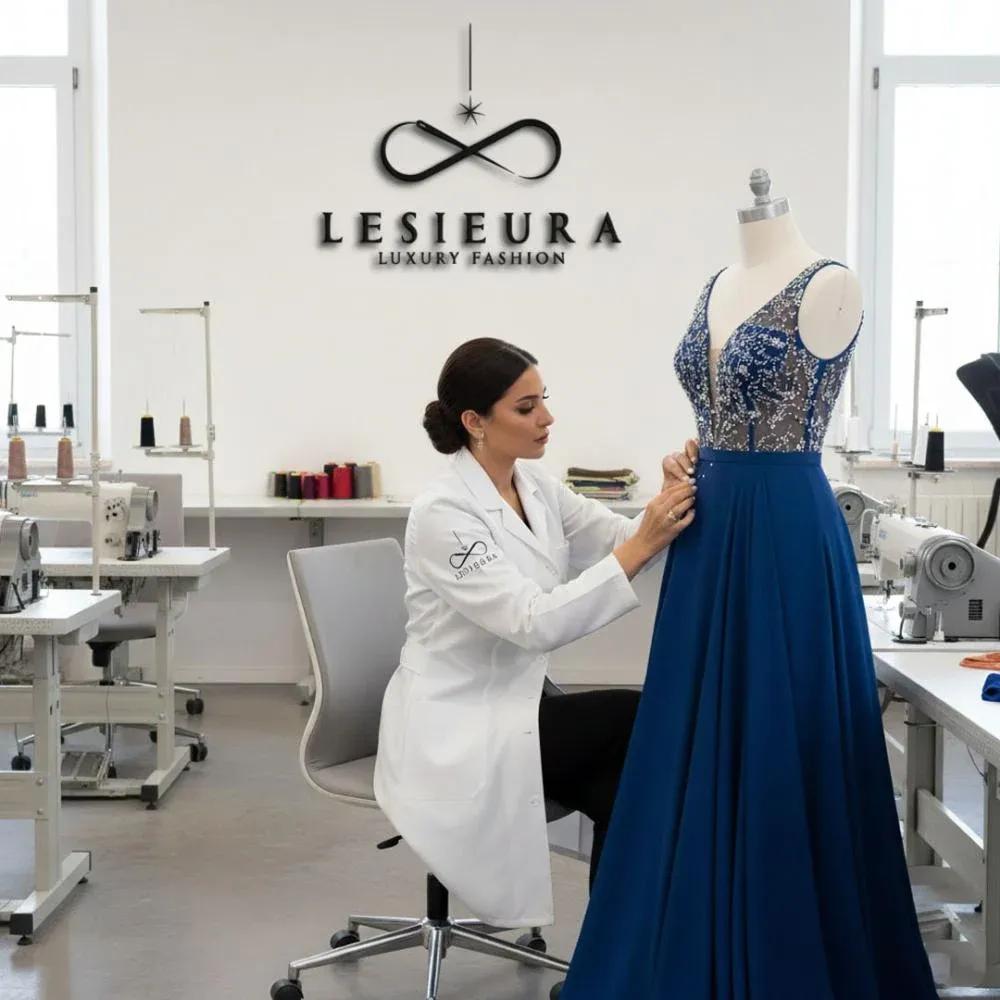
A custom-made dress is created or adapted according to a customer’s measurements, preferences, and design requirements.
Depending on the tailoring service, customers may be able to choose the fabric, neckline, sleeves, silhouette, length, and decorative details.


Advantages of custom-made dresses
- Personalized fit: Measurements and fittings allow the dress to be tailored to your proportions.
- Design flexibility: Choose colors, fabrics, necklines, sleeves, and other details.
- Individuality: Create an outfit that reflects your personal taste.
- Special-occasion styling: Ideal for bridal celebrations, formal events, and distinctive eveningwear.
Things to consider: Custom tailoring requires production time, may involve several fittings, and can cost more depending on fabric, workmanship, and complexity.
Not all custom services are fully bespoke. Some modify an existing pattern, while bespoke tailoring typically involves developing an individual pattern.
2. What Is a Ready-to-Wear Dress?
Ready-to-wear dresses are manufactured in standard sizes and sold as finished garments.
Customers can browse different styles, try on available sizes, and purchase a dress without waiting for it to be produced.


Advantages of ready-to-wear dresses
- Immediate availability: Convenient for upcoming occasions.
- Often more affordable: Mass or batch production can reduce manufacturing costs.
- Easy comparison: Try different styles and evaluate their appearance before buying.
- Variety: Explore multiple colors, silhouettes, and current fashion trends.
Things to consider: Standard sizing may not fit every body shape perfectly. Some dresses require alterations, and fabric or design customization is usually limited.
3. Custom-Made vs Ready-to-Wear: Key Differences
| Feature | Custom-Made | Ready-to-Wear |
|---|---|---|
| Fit | Personalized to measurements | Standard sizing |
| Price | Often higher | Often lower |
| Availability | Requires production time | Usually immediate if in stock |
| Design options | Flexible | Limited |
| Fabric selection | Often customizable | Predetermined |
| Fittings | May require appointments | Usually optional alterations |
| Best for | Special or specific requirements | Everyday wear and urgent occasions |
These are general differences; quality and service vary by designer and retailer.
Arcus Apparel Group
+1
4. Five Factors to Consider Before Choosing


Fabric and quality
Examine the material, lining, stitching, and overall finish. A well-constructed ready-to-wear dress may be better than a poorly executed custom design.


Fit and comfort
Check how the dress feels when walking, sitting, and moving. Custom tailoring offers more fit adjustments, but an excellent ready-to-wear fit may need no changes.

Budget
Consider the total cost, including alterations, special fabrics, embellishments, delivery, and accessories—not just the initial dress price.


Occasion
Weddings and formal celebrations may justify additional customization. Casual parties and everyday occasions often suit ready-to-wear styles.

Time available
Custom dresses need sufficient time for tailoring and adjustments. If your event is approaching, an available ready-to-wear dress may be the safer option.
5. Which Option Is Best for Different Occasions?


Weddings and engagements
Custom-made for distinctive styling and personalized fit.


Evening parties
Either option, depending on your desired design and budget.


Everyday and workwear
Ready-to-wear for convenience and practical wardrobe choices.


Gala and formal events
Custom-made when precise details or a unique silhouette are priorities.
6. Questions to Ask Before Purchasing
Before placing an order, clarify the following:
- What is the final price, including alterations?
- Is the fabric comfortable and suitable for the occasion?
- When will the dress be ready?
- Are fittings and adjustments included?
- Can the design or measurements be changed after ordering?
- What are the cancellation, exchange, and return policies?
These questions are particularly important for personalized dresses, where changes and returns may be restricted.
7. Final Verdict: Which Should You Choose?
There is no universally better option.
Choose custom-made when you want personalized measurements, specific design details, or an outfit created around your individual preferences.
Choose ready-to-wear when convenience, immediate availability, affordability, and the ability to try on finished dresses are more important.
A third option is to purchase a ready-to-wear dress and have it professionally altered. This can offer an excellent balance between affordability, convenience, and fit.
Ultimately, the best dress is one that makes you feel comfortable, confident, and elegant, regardless of how it was made.
SEO Details for Publication
SEO Title
Custom-Made vs Ready-to-Wear Dresses: Complete Style Guide
Meta Description
Discover the differences between custom-made and ready-to-wear dresses. Compare fit, prices, fabrics, convenience, and styling to choose your perfect dress.
Suggested URL Slug
custom-made-vs-ready-to-wear-dresses
Primary Keyword
custom-made vs ready-to-wear dresses
Secondary Keywords
bespoke dresses, custom tailoring, ready-made evening dresses, dress alterations, personalized dresses, evening dresses UAE
Suggested Website Category
Fashion Guides / Dresses & Styling
Prepared as an SEO-friendly article suitable for a fashion boutique website, including Black Diamond Fashion. This is publication-ready text; it has not been published to a website.