


Views: 15
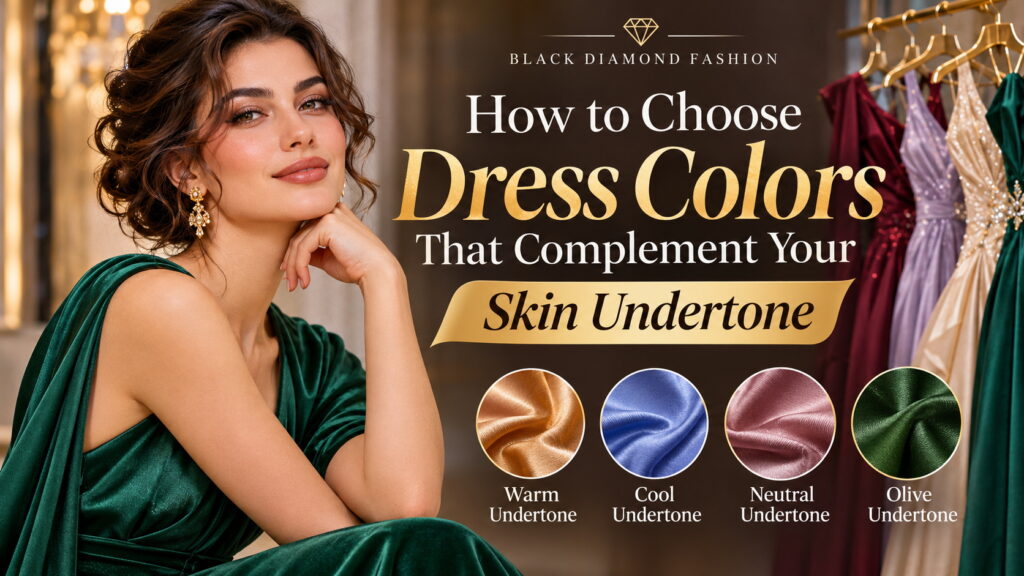
How to Choose Dress Colors That Complement Your Skin Undertone
A Complete Guide to Flattering Colors, Timeless Elegance and Confident Styling


Choosing the perfect dress involves more than selecting a beautiful silhouette. The right color can enhance your natural complexion, highlight your features and create a sophisticated appearance.
Whether you are preparing for a wedding, gala dinner, engagement celebration or formal evening event, understanding your skin undertone can help you discover colors that complement your natural beauty.
1. Understanding Your Skin Undertone
Skin tone describes the visible surface color of your complexion, while undertone refers to the subtle underlying hues beneath it. Fair, medium and deep complexions can all have warm, cool, neutral or olive undertones.
Warm Undertones
Golden, yellow or peach undertones often pair beautifully with earthy colors and warm metallic shades.
Cool Undertones
Pink, reddish or bluish undertones are often complemented by cool jewel tones and blue-based colors.
Neutral Undertones
A balance of warm and cool characteristics offers flexibility when choosing dress colors.
Olive Undertones
Subtle green or gray hues may complement rich jewel tones and selected earthy colors. Olive undertones can also lean warm or cool.
2. How to Identify Your Skin Undertone


Several simple methods can help you estimate your undertone before choosing your next dress.
| Test | Warm | Cool | Neutral |
|---|---|---|---|
| Wrist veins | Greenish | Blue or purple | Mixed |
| Jewelry | Gold | Silver | Both |
| White fabric | Ivory | Pure white | Both |
3. Best Dress Colors for Warm Undertones

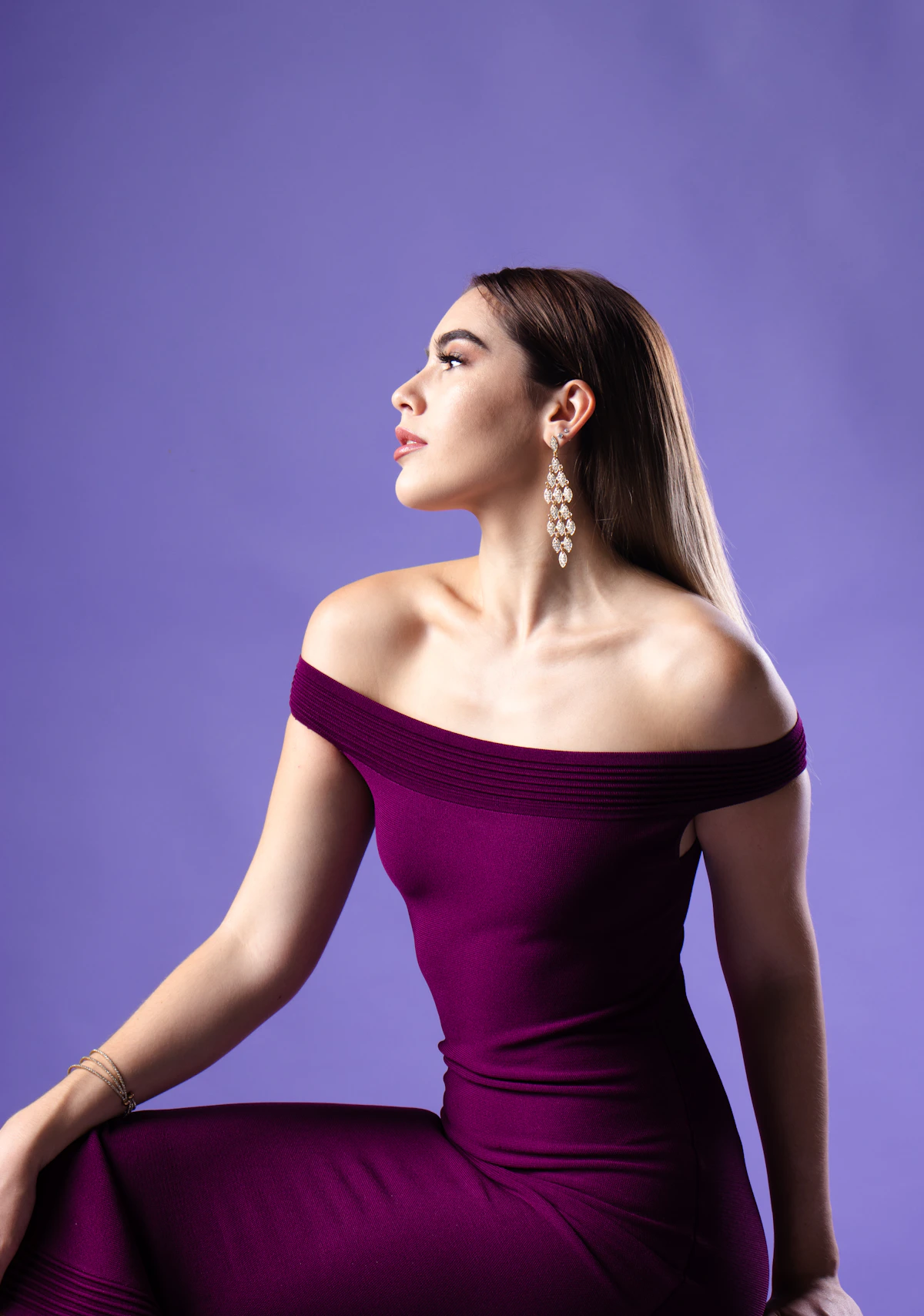
Warm undertones are frequently enhanced by rich earthy shades, golden neutrals and colors inspired by nature.
Recommended Accessories
- Gold and rose gold jewelry.
- Champagne or bronze handbags.
- Warm nude or brown heels.
- Peach and bronze makeup.
4. Best Dress Colors for Cool Undertones
Cool undertones often look particularly striking in sophisticated jewel tones, icy pastels and blue-based shades.


Recommended Accessories
- Silver, platinum and white gold jewelry.
- Silver or cool-toned handbags.
- Black, navy or metallic heels.
- Rose, mauve and berry makeup shades.
5. Best Dress Colors for Neutral Undertones
Neutral undertones provide considerable flexibility. Soft, balanced colors can be especially flattering, although richer shades may also work beautifully.


Recommended Accessories
- Gold or silver jewelry.
- Neutral-colored handbags.
- Beige, black or metallic footwear.
- Soft and balanced makeup shades.
6. Best Dress Colors for Olive Undertones
Olive complexions can look stunning in deep, expressive shades. The ideal palette depends on whether the undertone leans warm, cool or neutral.
7. Choosing Dress Colors for Different Occasions
| Occasion | Warm | Cool | Neutral | Olive |
|---|---|---|---|---|
| Wedding Reception | Terracotta | Dusty Blue | Dusty Rose | Teal |
| Evening Gala | Bronze | Royal Blue | Black | Emerald |
| Engagement Party | Peach | Lavender | Soft Teal | Plum |
| Eid Celebration | Olive Green | Burgundy | Sage Green | Wine Red |
| Formal Dinner | Chocolate | Navy | Taupe | Deep Green |
| Summer Party | Coral | Powder Blue | Soft Pink | Turquoise |
When attending weddings, always consider the dress code and cultural traditions before selecting white, ivory or very pale champagne shades.
8. How Dress Fabrics Influence Color


The appearance of a color can change significantly depending on fabric texture, reflectivity and lighting.
Satin
The smooth, reflective surface creates luminous highlights and luxurious color variations, making satin ideal for evening gowns.
Chiffon
Lightweight and flowing, chiffon creates delicate color effects that complement romantic and modest dress designs.
Velvet
Its rich texture adds visual depth to emerald, burgundy, navy and other sophisticated shades.
Crepe
A refined matte texture offers understated elegance and allows the dress color to remain the main focus.
9. Common Color Styling Mistakes to Avoid
- Choosing colors based entirely on current fashion trends.
- Confusing surface skin tone with underlying undertone.
- Ignoring the effects of indoor and outdoor lighting.
- Choosing accessories that compete with the dress.
- Overlooking the importance of fabric and texture.
- Assuming certain colors are completely unsuitable.
- Prioritizing color rules over comfort and personal confidence.
10. Frequently Asked Questions
What dress color suits every skin undertone?
Classic navy, balanced teal and certain shades of burgundy are versatile starting points. However, the most flattering shade depends on individual complexion, contrast and personal preference.
Can warm undertones wear blue dresses?
Yes. Turquoise, petrol blue and warmer teal shades can complement warm undertones beautifully.
Can cool undertones wear gold dresses?
Yes. Softer champagne, pale gold and less yellow metallic shades may create a more harmonious appearance.
Does black suit every skin undertone?
Black is a versatile formalwear choice, although charcoal, navy or espresso may provide a softer alternative for some complexions.
Can my skin undertone change?
Your underlying undertone generally remains relatively stable, although tanning, skin redness, lighting and other factors can change the visible appearance of your complexion.
Discover Your Own Signature Elegance
The perfect dress color is one that complements your complexion, reflects your personality and makes you feel confident.
Understanding your undertone provides a valuable starting point, but true elegance comes from embracing your individuality and choosing designs that celebrate your natural beauty.
BLACK DIAMOND FASHION
Timeless Elegance. Individual Beauty. Exceptional Style.
Fashion photography sourced from Unsplash. Images are for illustrative styling inspiration.