

Views: 7
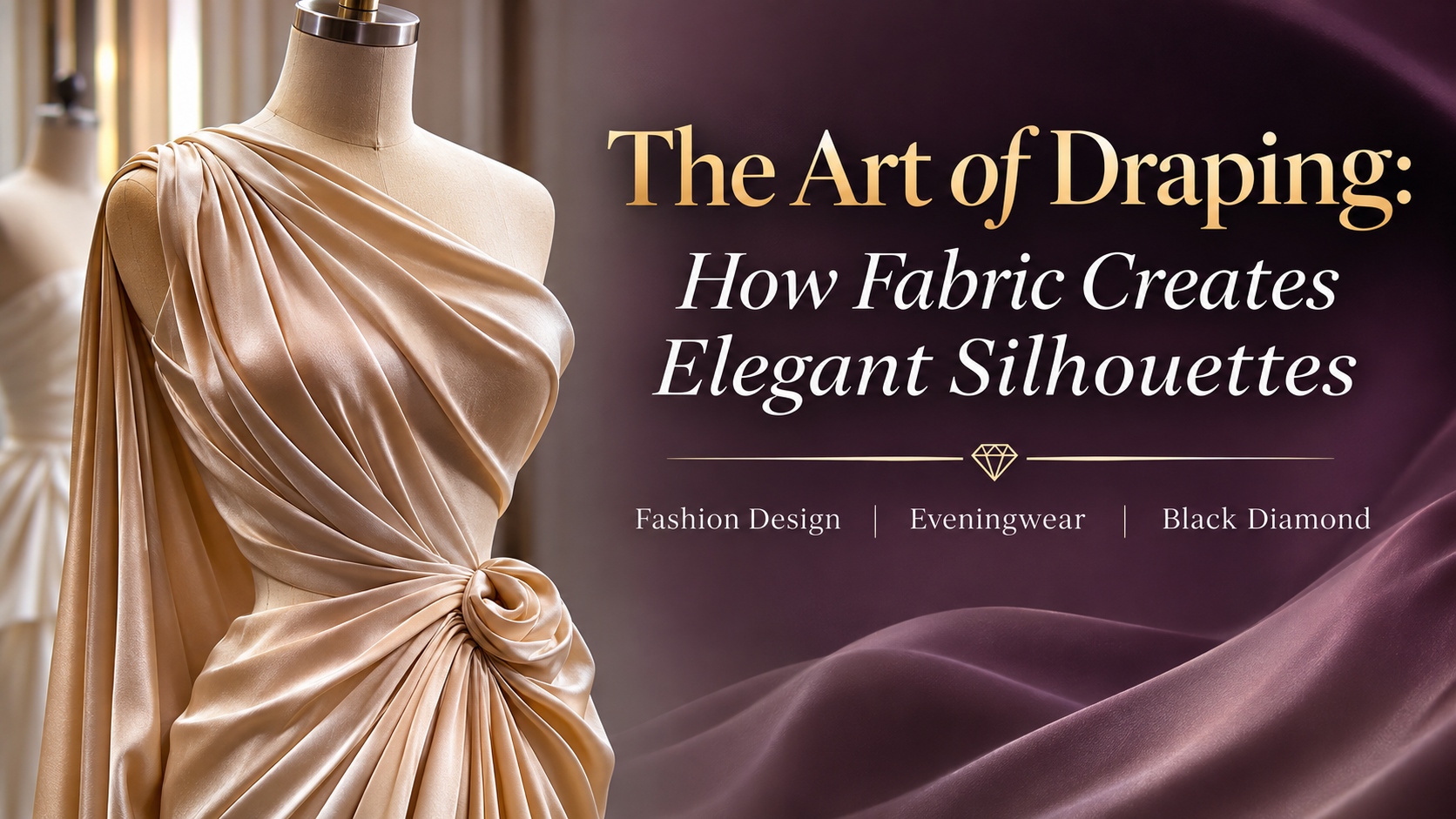
The Art of Draping: How Fabric Creates Elegant Silhouettes
Draping is one of the most expressive techniques in fashion design. By arranging fabric into graceful folds, flowing lines, and sculptural shapes, designers transform simple materials into beautiful garments that celebrate movement, proportion, and elegance.
From sophisticated evening gowns to elaborate haute couture creations, draping gives clothing a distinctive character. The beauty of this technique lies in the relationship between fabric, the human form, and the designer’s creative vision.

What Is Draping in Fashion Design?
Draping is the process of arranging, folding, gathering, and shaping fabric directly on a dress form to develop a garment’s silhouette. Unlike traditional flat-pattern drafting, draping allows designers to work in three dimensions and observe how fabric naturally falls around the body.
This hands-on technique helps designers understand the weight, flexibility, and movement of different materials. By adjusting folds and gathers, they can develop everything from softly flowing evening dresses to structured couture silhouettes.
How Different Fabrics Create Elegant Silhouettes
Every fabric behaves differently. Choosing the right textile is essential because its weight, texture, and flexibility determine how a draped garment will look and move.
1. Silk and Satin: Fluid Elegance
Silk fabrics and fluid satin weaves are associated with smooth movement, luxurious surfaces, and graceful folds. They are particularly effective for softly draped necklines, bias-cut dresses, and elegant evening gowns.
2. Chiffon: Lightness and Romance
Chiffon is lightweight, delicate, and airy. Designers often use it to create flowing overlays, soft sleeves, cascading layers, and romantic silhouettes that respond beautifully to movement.

3. Crepe: Refined Structure
Crepe offers a range of draping possibilities depending on its composition and weight. Soft crepe can create fluid silhouettes, while heavier varieties help maintain controlled folds and clean, contemporary lines.
4. Velvet: Depth and Drama
Velvet brings richness through its distinctive pile and light-reflecting texture. Draped velvet creates pronounced shadows and luxurious visual depth, making it particularly appealing for formal eveningwear.
Popular Draping Techniques in Evening Dresses
Asymmetric Draping
Asymmetric draping creates visual interest by arranging fabric across one shoulder, along the waist, or diagonally across the body. This technique can make even a minimalist gown appear sculptural and distinctive.
Cowl Draping
Cowl draping features soft folds that fall naturally around the neckline or back. It is especially effective with flexible fabrics that create smooth, relaxed curves.
Ruched Draping
Ruching gathers fabric into controlled folds, adding texture and dimension. Depending on its placement, it can emphasize the waist, soften the appearance of fitted areas, or introduce decorative detail.
Cascading Draping
Cascading folds create flowing vertical movement through the skirt or bodice. This technique is frequently used in statement evening gowns where movement and dramatic elegance are central to the design.

The Importance of Balance and Proportion
Beautiful draping requires an understanding of the relationship between fabric and the body’s proportions. The placement of every fold can influence how a garment’s silhouette is perceived.
For example, diagonal folds may create visual movement, while carefully positioned waist gathers can emphasize definition. Draping around the neckline can frame the shoulders, and flowing skirt panels can add softness to a fitted bodice.
Equally important is the construction beneath the fabric. Appropriate seams, lining, support, and fastening methods help a draped dress maintain its intended shape while remaining comfortable to wear.
From Fabric to Finished Design
Designers often begin draping with a test fabric, such as muslin, pinned directly onto a dress form. They experiment with the arrangement of folds, refine proportions, and mark important construction lines.
Once the shape is established, the draped pieces can be transferred into pattern components, refined, and recreated in the selected final fabric.
This process allows the designer to balance creativity with technical precision, ensuring that the finished garment reflects the original concept.

Black Diamond’s Design Perspective
At Black Diamond, the art of draping provides inspiration for creating eveningwear that combines elegance, individuality, and thoughtful design.
A softly draped satin neckline can bring sophistication to a simple dress, while carefully positioned waist folds can add visual structure. Flowing chiffon layers may introduce a romantic touch, and asymmetric draping can create a bold, contemporary appearance.
The objective is not simply to add fabric or volume, but to create harmony between material, silhouette, and occasion.
Conclusion: Where Fabric Meets Art
The art of draping demonstrates how fashion design combines technical skill with artistic expression. Through the thoughtful arrangement of fabric, designers can create garments that feel graceful, distinctive, and timeless.
Whether expressed through soft folds, dramatic cascading panels, or carefully structured gathers, draping remains an essential technique for transforming beautiful materials into elegant silhouettes.
Black Diamond — Celebrating elegance, creativity, and the art of fashion design.