

Views: 2
BLACK DIAMOND | FASHION & STYLE GUIDE
The Ultimate Guide to Choosing Dress Fabrics
Discover the perfect materials for evening gowns, wedding dresses, party outfits, and everyday elegance.


15
Choosing the right fabric is one of the most important decisions when buying or designing a dress. Fabric determines how a dress flows, fits, feels, and looks in different lighting. It can transform a simple silhouette into an elegant evening gown or give a bridal dress its signature dramatic volume.
Whether you’re preparing for a wedding, choosing a party dress, or creating a custom design, understanding fabrics will help you make a more confident decision.
1. Understanding the most popular dress fabrics

Satin — Smooth and luxurious
Satin is known for its glossy surface and elegant appearance. It is a popular choice for evening gowns, formal dresses, and bridal designs.
Best for: Mermaid gowns, A-line dresses, structured formal looks.
Consider: Satin may show wrinkles and stitching imperfections, especially in fitted designs.

Chiffon — Light and flowing
Chiffon is lightweight, airy, and semi-transparent. Its soft movement makes it ideal for graceful, romantic designs.
Best for: Summer dresses, flowy evening gowns, layered skirts.
Consider: Most chiffon dresses require lining for coverage.

Lace — Romantic and detailed
Lace adds delicate patterns, texture, and sophistication. It works beautifully as an overlay or as a decorative feature.
Best for: Wedding gowns, sleeves, necklines, formal dresses.
Consider: Intricate lace requires careful handling and pattern matching.

Organza — Dramatic and structured
Organza is sheer and crisp. Unlike chiffon, it can hold volume and sculptural shapes.
Best for: Overskirts, puff sleeves, dramatic ball gowns.
Consider: It can feel stiff and may crease.

Crepe — Modern and minimalist
Crepe has a subtly textured surface and often drapes beautifully, making it a favourite for contemporary formalwear.
Best for: Column dresses, tailored gowns, elegant minimalist designs.
Consider: Some crepes reveal undergarment lines; weight and stretch vary.

Velvet — Rich and sophisticated
Velvet has a soft pile that creates depth and richness, particularly in dark jewel tones.
Best for: Winter evening dresses, formal events, elegant long gowns.
Consider: It can feel warm and needs careful pressing and storage.

Tulle — Soft volume and romance
Tulle is a lightweight net commonly layered to create fullness without the density of heavier materials.
Best for: Princess dresses, wedding ball gowns, romantic skirts.
Consider: Fine tulle can snag or tear and may need multiple layers.
The distinction between fabric names and fibre content is important. Satin describes a weave, while silk, polyester, and viscose describe fibres. Two satin fabrics can therefore feel and perform very differently.
The Gown Journal
+1
2. Compare fabrics before choosing
| Fabric | Appearance | Structure | Ideal occasion |
|---|---|---|---|
| Satin | Glossy | Medium to firm | Evening events |
| Chiffon | Soft, sheer | Fluid | Summer parties |
| Lace | Patterned | Varies | Weddings |
| Organza | Sheer, crisp | Firm | Formal celebrations |
| Crepe | Often matte | Fluid to firm | Elegant dinners |
| Velvet | Plush | Medium to heavy | Winter events |
| Tulle | Fine net | Layered volume | Bridal and ball gowns |
These are general characteristics. The actual feel depends on fibre composition, weight, finish, lining, and construction.
3. Choosing fabrics for different dress styles

Mermaid gown
Stretch crepe, structured satin, or suitable stretch blends can create a smooth fitted silhouette.

Princess gown
Tulle, organza, and structured underlayers create impressive volume.

A-line dress
Chiffon, georgette, crepe, and satin offer different degrees of softness and structure.

Column dress
Crepe or charmeuse works well for a sleek, fluid silhouette.
4. How climate influences fabric choice
For warm climates such as the UAE, comfort becomes especially important when choosing clothing for outdoor celebrations.
Lightweight chiffon, breathable cotton, suitable silk fabrics, and airy constructions can feel more comfortable in the heat. For indoor evening events, heavier satin, velvet, and multilayered fabrics may be appropriate, particularly in air-conditioned venues.
Remember that breathability depends not only on the fabric name but also on the fibre, lining, garment fit, and number of layers.
5. Five practical tests before purchasing fabric
- Drape test: Hold the fabric vertically to see whether it falls softly or remains structured.
- Light test: Hold it toward a light source to assess transparency and lining needs.
- Movement test: Gather and release the material to judge how it behaves in motion.
- Crease test: Gently squeeze a sample and observe whether wrinkles remain.
- Comfort test: Feel the fabric against your skin and check the composition and care information.
Always assess a sample of the actual fabric being purchased, not just a similar-looking material.
6. Fabric care and longevity
Beautiful dresses deserve proper care. Silk, delicate lace, embellished fabrics, and structured gowns may require specialist cleaning, while certain polyester fabrics can be easier to maintain.
Check the garment’s care label before washing, steaming, or ironing. Do not assume every silk garment requires dry cleaning or that all polyester dresses are machine washable. Embellishments, linings, and construction can change the recommended care method.
Federal Trade Commission
+1
7. Common mistakes to avoid
Choosing fabric solely by colour can result in a dress that looks beautiful on a hanger but does not behave as expected when worn. Similarly, selecting a lightweight material for a structured design without appropriate support can compromise the final silhouette.
Avoid overlooking transparency, stretch, maintenance, and comfort. For custom-made dresses, discussing fabric behaviour with the tailor before cutting is essential.
8. Final thoughts
The perfect dress begins with the perfect fabric. Satin delivers polished glamour, chiffon brings effortless movement, lace creates delicate romance, and organza adds dramatic structure.
At Black Diamond, we believe elegance comes from the harmony between fabric, silhouette, comfort, and personal style. Understanding your materials is the first step toward creating a dress that looks beautiful and feels right for your occasion.
SEO publishing package
RECOMMENDED WORDPRESS SETTINGS
SEO Title
The Ultimate Guide to Choosing Dress Fabrics | Black Diamond
URL Slug
ultimate-guide-choosing-dress-fabrics
Meta Description
Discover the best dress fabrics, from satin and chiffon to lace and velvet. Learn how to choose the perfect material for every style and occasion.
Focus Keyphrase
choosing dress fabrics
Category
Fashion Guides / Fabrics & Materials
Suggested Tags
Dress Fabrics, Satin, Chiffon, Lace, Evening Gowns, Wedding Dresses, Fabric Guide, Fashion Tips
Featured Image Recommendation
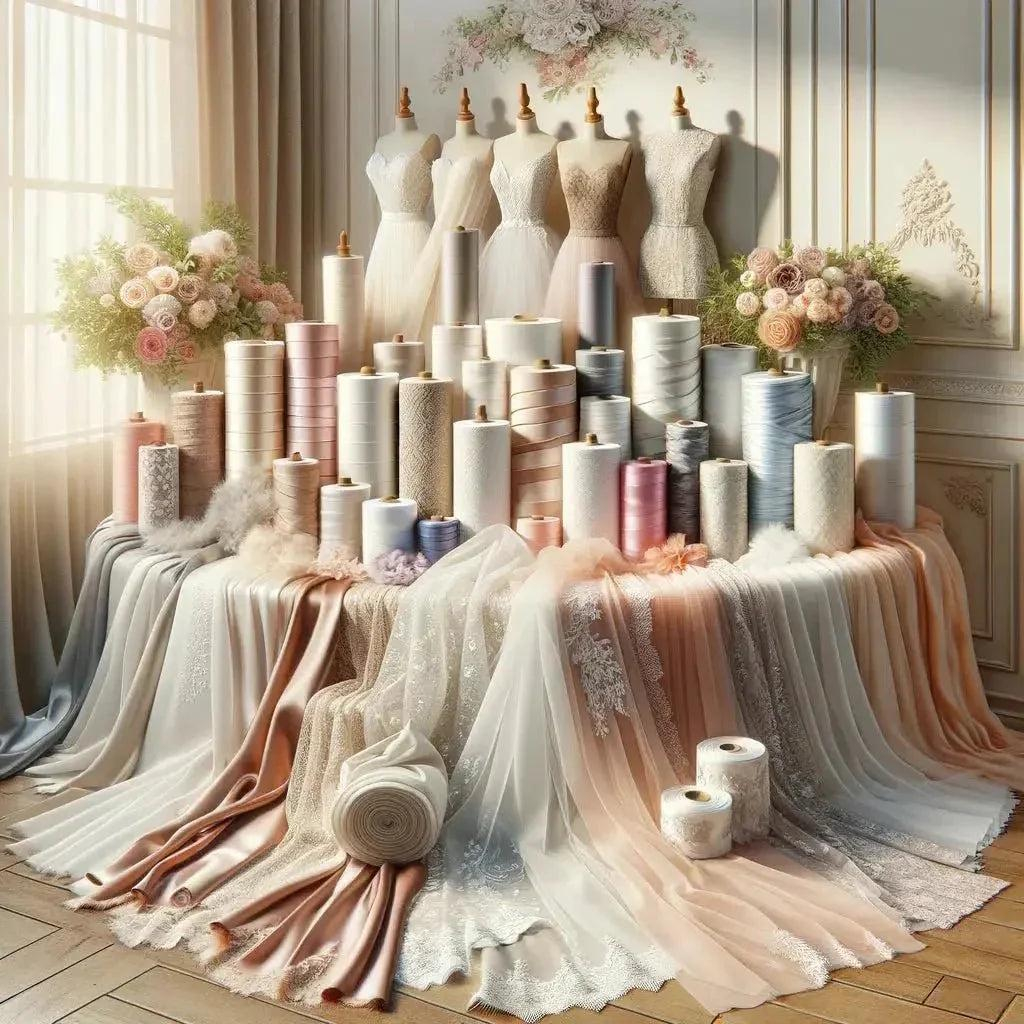
A luxurious editorial arrangement of satin, chiffon, lace, and organza in coordinated champagne, ivory, blush, and navy tones.
Featured Image Alt Text
Luxury dress fabrics including satin, chiffon, lace and organza for elegant evening and wedding dresses.
Publication status: Article prepared for black-diamond.ae; not uploaded or published.